In today’s digital-first world, diners don’t just walk in; they search first. Whether it’s “best biryani near me” or “family-friendly restaurants open now,” your restaurant’s online presence determines whether customers find you or your competitors.
Search Engine Optimization (SEO), Answer Engine Optimization (AEO), & Voice Search Optimization (VSO) are no longer optional; they are essential. This guide provides a complete, actionable checklist to help your restaurant rank higher, attract more local customers, and increase reservations organically.
Why SEO Matters for Restaurants in 2026
- Over 80% of diners search online before choosing a restaurant
- “Near me” searches and voice queries are rapidly increasing
- Google Business Profiles dominate local search results
- Organic traffic delivers consistent, cost-effective customers
Restaurants that optimize for SEO, AEO, and VSO gain a major competitive advantage in local markets.
Core SEO Foundations (Must-Do First)
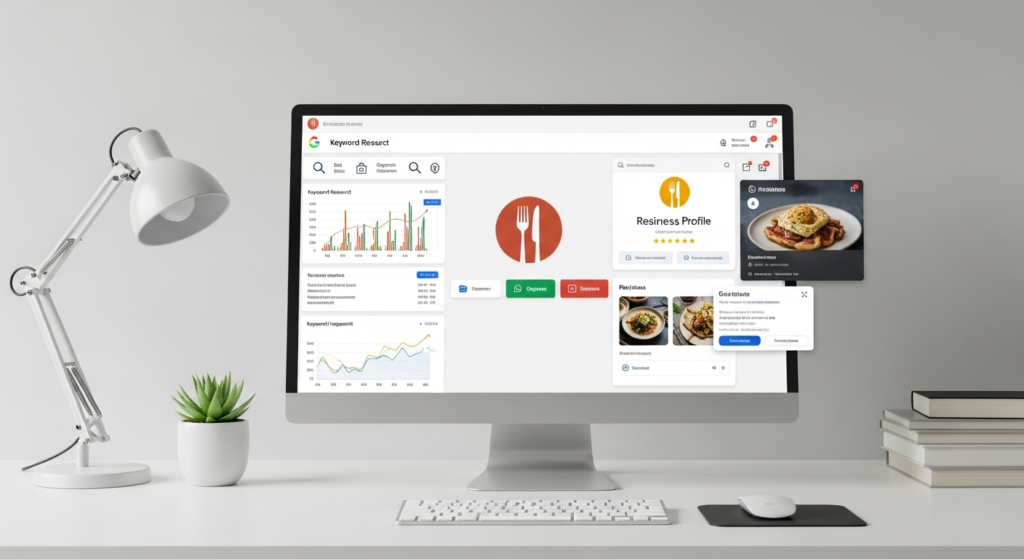
Keyword Research for Restaurants
Start by identifying what your customers are searching for:
- “Best BBQ restaurant in [city]”
- “Affordable lunch near me”
- “Vegan restaurants open now”
Pro Tip: Focus on long-tail keywords and conversational phrases to capture voice searches.
Optimize Your Google Business Profile
Your Google Business Profile is your most powerful local SEO tool.
Checklist:
- Ensure accurate Name, Address, Phone (NAP)
- Add high-quality photos of food and ambiance
- Upload your menu
- Post updates regularly
- Encourage and respond to reviews
Mobile-Friendly Website
Most users search on mobile devices.
Make sure your site:
- Loads quickly (under 3 seconds)
- Is responsive on all devices
- Has easy navigation and clickable buttons
On-Page SEO Checklist for Restaurant Websites
Optimize Title Tags & Meta Descriptions
- Include keywords + location
- Example: “Best Italian Restaurant in Karachi | Fresh Pasta & Pizza”
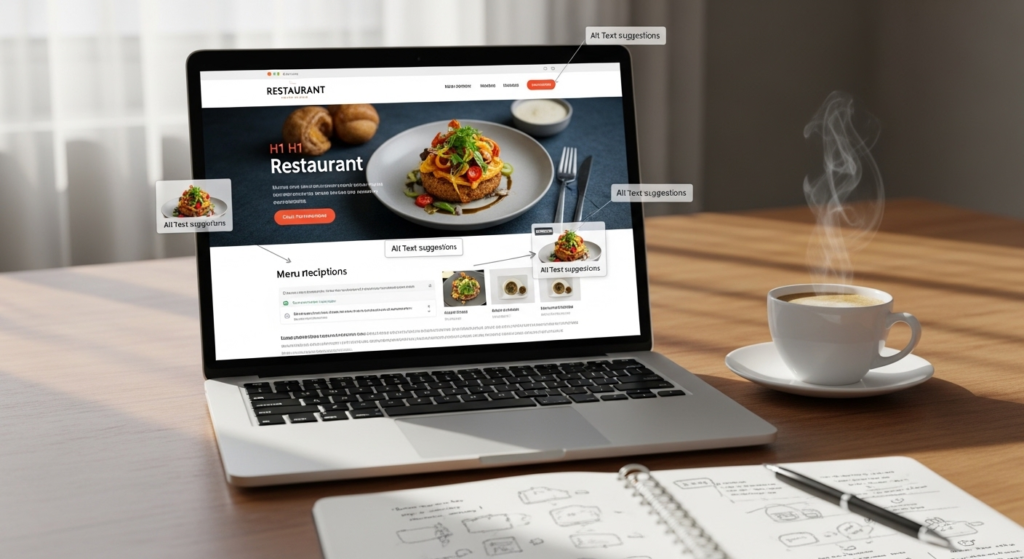
Use Proper Heading Structure
- H1 for title
- H2 for main sections
- H3 for subtopics
This improves readability and helps search engines understand your content.
Menu Page Optimization
Your menu is a key SEO asset.
Optimize by:
- Adding keyword-rich descriptions
- Using structured categories (Starters, Mains, Desserts)
- Including dietary tags (vegan, gluten-free)
Image Optimization
- Use descriptive alt text (e.g., “grilled chicken steak with vegetables”)
- Compress images for faster loading
- Add geotags when possible
Local SEO Checklist
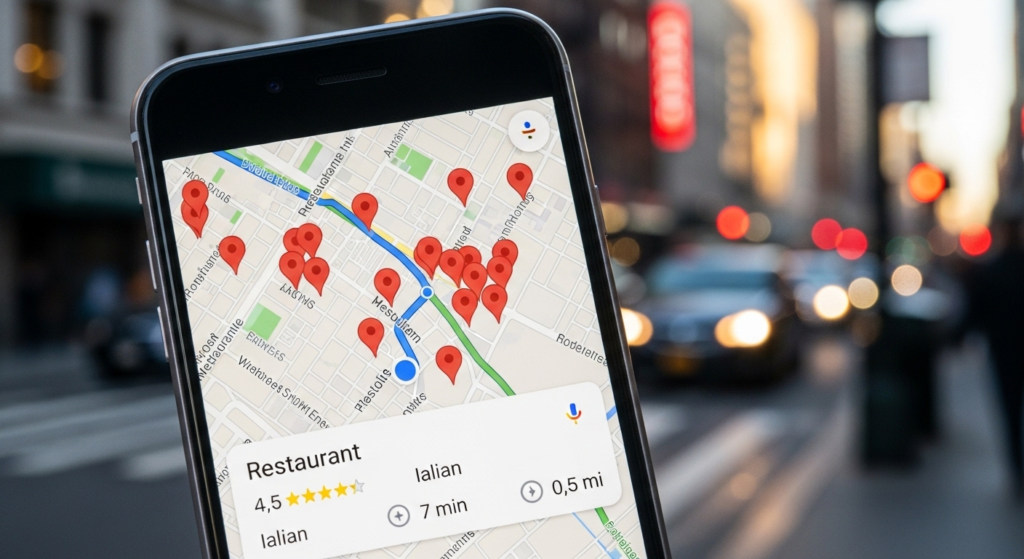
Local Citations & Directory Listings
List your restaurant on:
- Yelp
- TripAdvisor
- Local directories
Ensure consistent NAP across all platforms.
Customer Reviews Strategy
Reviews directly impact rankings and trust.
Action Steps:
- Ask happy customers to leave reviews
- Respond to all reviews (positive and negative)
- Use keywords naturally in responses
Location-Based Landing Pages
If you have multiple branches:
- Create separate pages for each location
- Optimize each page with local keywords
Technical SEO Checklist
Website Speed Optimization
- Compress images
- Use caching
- Minimize scripts
HTTPS & Security
Secure websites rank higher and build trust.
Fix Broken Links & Errors
- Regularly audit your site
- Fix 404 errors and broken links
Content Strategy for Restaurants
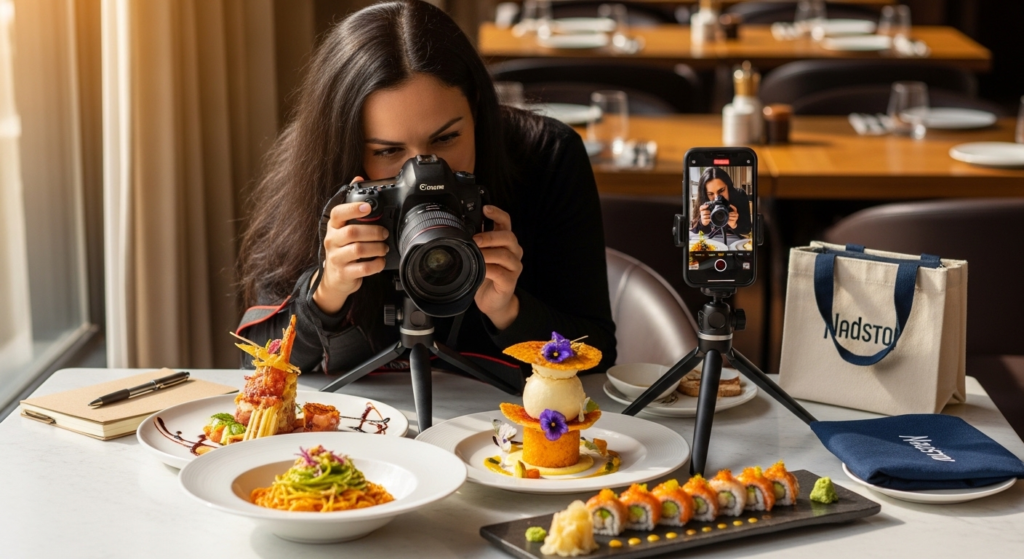
Blogging Ideas
Create content that attracts and engages:
- Recipes and cooking tips
- Food trends
- Local events and guides
FAQ Content
Answer common questions clearly:
- “Do you offer vegan options?”
- “What are your opening hours?”
- “Do you provide home delivery?”
This helps you appear in featured snippets and voice search results.
Schema Markup
Use structured data to enhance visibility:
- FAQ Schema
- Local Business Schema
- Menu Schema
Voice Search Optimization (VSO)

Use Conversational Keywords
People speak differently from how they type:
- “Where can I get the best pizza nearby?”
Optimize for Featured Snippets
- Provide clear, concise answers
- Use bullet points and short paragraphs
Optimize for “Near Me” Searches
- Include location keywords
- Keep your business information updated
Off-Page SEO Strategies
Link Building
- Collaborate with food bloggers
- Get featured in local media
- Partner with influencers
Social Media Engagement
- Share high-quality food content
- Use Instagram and TikTok for visibility
- Encourage user-generated content
SEO Checklist Summary (Quick Action List)
✅ Optimize Google Business Profile
✅ Use local and long-tail keywords
✅ Ensure mobile-friendly website
✅ Improve website speed
✅ Collect and respond to reviews
✅ Optimize menu and images
✅ Build local citations
✅ Create valuable content
✅ Implement schema markup
✅ Optimize for voice search
Common SEO Mistakes Restaurants Must Avoid
- Ignoring mobile optimization
- Inconsistent business information
- Slow website speed
- Not updating content regularly
- Neglecting customer reviews
Conclusion
SEO for restaurants in 2026 is about visibility, trust, and user experience. By implementing this checklist, you position your restaurant to rank higher, attract more local customers, and stay ahead of competitors.
Consistency is key. SEO is not a one-time task but an ongoing strategy that delivers long-term results.
FAQs
What is the fastest way to improve restaurant SEO?
Optimize your Google Business Profile, gather reviews, and ensure your website is mobile-friendly.
How important are reviews for restaurant SEO?
Reviews significantly impact local rankings and customer trust, making them one of the most important SEO factors.
How long does restaurant SEO take to show results?
Typically, 3–6 months, depending on competition and consistency.
Do keywords still matter for restaurant SEO?
Yes, especially local and conversational keywords that match user intent and voice search queries.