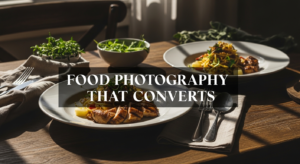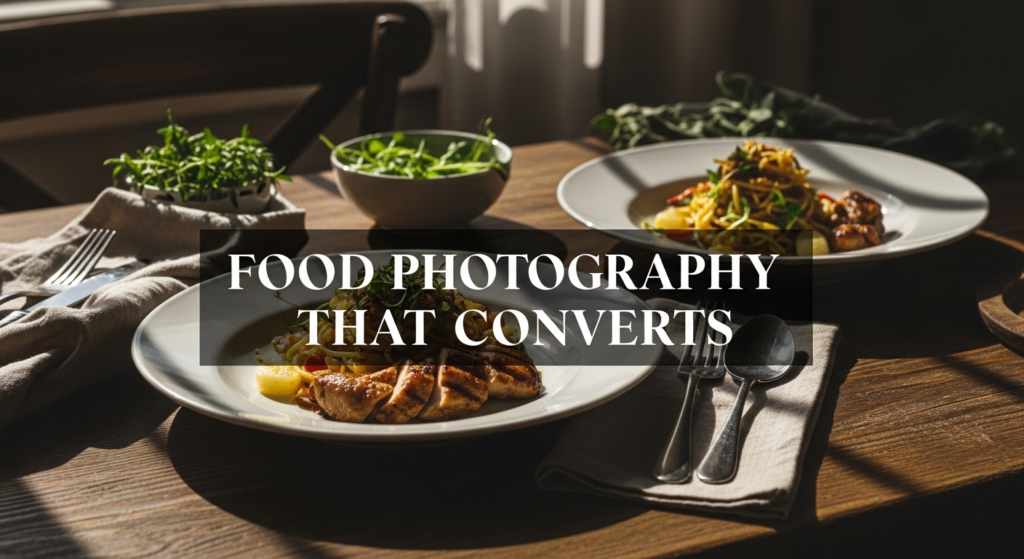
In today’s fast-scrolling digital world, food photography isn’t just about making dishes look good; it’s about making them irresistible. Whether you’re a restaurant owner, food blogger, or home chef, your visuals have the power to stop the scroll, spark cravings, and most importantly, drive action.
But here’s the truth: beautiful photos alone don’t guarantee results anymore.
To truly stand out, your food photography must be strategic, conversion-focused, and optimized for search and discovery. This guide will show you exactly how to create food content that not only gets likes but also turns viewers into customers.
What Makes Food Photography “Convert”?
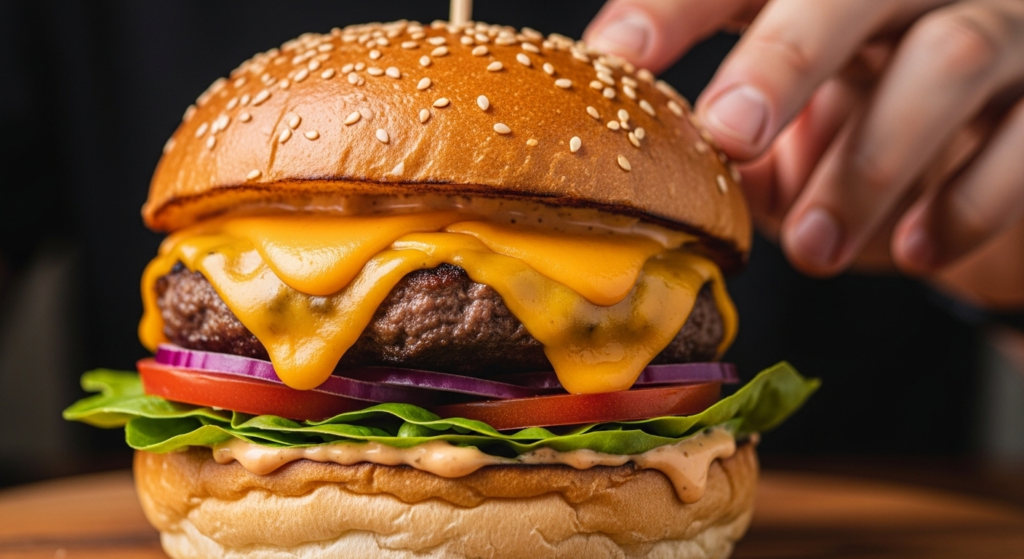
Understanding Conversion in Social Media
Conversion means getting your audience to take action whether that’s clicking a link, placing an order, or visiting your page.
- Engagement = Likes, comments, shares
- Conversion = Sales, bookings, clicks
High-converting food photography bridges the gap between attention and action.
Key Elements of High-Converting Food Images
To create images that sell, focus on:
- Clarity: Sharp, well-lit images build trust
- Emotion: Make viewers feel hungry
- Texture & Detail: Highlight freshness and quality
- Brand Consistency: Colors and style should match your identity
Essential Food Photography Techniques for Social Media
Lighting That Sells
Lighting can make or break your photo.
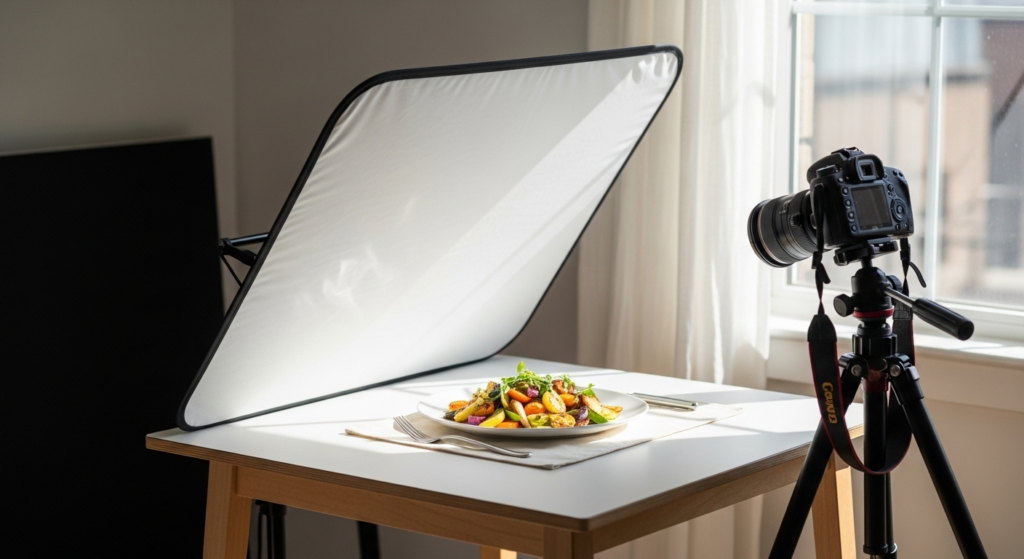
- Use natural light whenever possible
- Shoot near windows for soft lighting
- Avoid harsh overhead lights
- Use reflectors (even white paper) to soften shadows
Pro Tip: Soft side lighting enhances texture and makes food look more appetizing.
Composition Strategies That Drive Engagement
Strong composition keeps viewers hooked:
- Apply the rule of thirds
- Use negative space for text or ads
- Add depth with layers (foreground + background)
Styling Food for Maximum Appeal
Presentation is everything:
- Add fresh garnishes (herbs, sauces)
- Use contrasting colors to make food pop
- Capture steam or gloss for a “freshly cooked” effect
Camera, Tools & Settings (Beginner to Pro)
Smartphone vs DSLR
Good news, you don’t need expensive gear.
- Smartphones are powerful enough for social media
- Use portrait mode for depth
- DSLRs offer more control, but aren’t required
Must-Have Tools
- Tripod for stability
- Reflectors for lighting control
- Simple backgrounds (wood, marble, neutral tones)
Editing for Conversion (Not Just Beauty)
Best Editing Practices
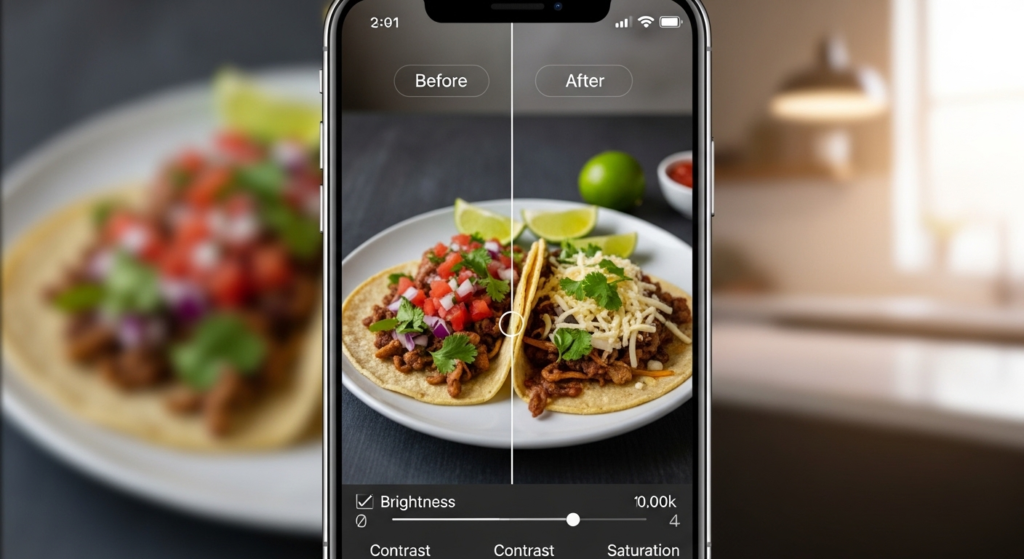
Editing should enhance, not mislead.
- Adjust brightness and contrast
- Keep colors realistic
- Avoid over-saturation
Over-editing reduces trust and hurts conversions.
Best Apps for Food Photo Editing
- Lightroom (professional control)
- Snapseed (beginner-friendly)
- VSCO (aesthetic filters)
Platform-Specific Optimization (SEO + AEO + VSO)
Instagram Food Photography Tips
- Use Reels for reach
- Choose eye-catching thumbnails
- Optimize captions with keywords
TikTok Food Content Strategy
- Hook viewers in the first 3 seconds
- Show motion (pouring, cutting, sizzling)
- Keep videos short and engaging
Pinterest & Search-Based Platforms
- Use vertical images (2:3 ratio)
- Add keyword-rich descriptions
- Focus on searchable content
Voice Search & AEO Optimization for Food Content
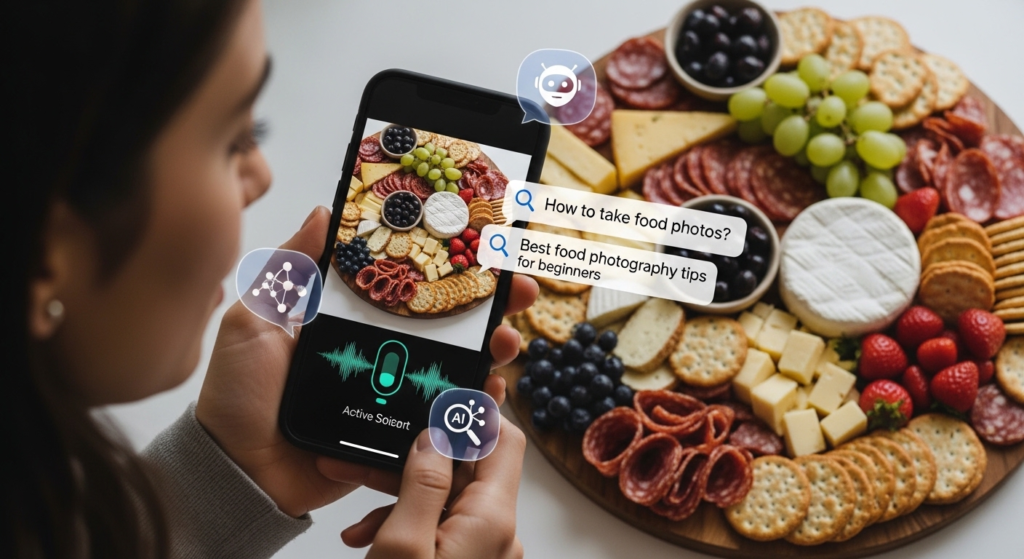
How People Search for Food Photography Tips
People now search like they talk:
- “How do I take better food photos?”
- “What lighting is best for food photography?”
How to Optimize for Voice & Answer Engines
- Use question-based headings
- Provide clear, direct answers
- Structure content for featured snippets
This helps your content rank on platforms like Google and AI-driven tools.
Common Mistakes That Kill Conversions
Avoid these at all costs:
- Poor lighting
- Cluttered backgrounds
- Over-editing images
- Inconsistent branding
- No call-to-action
Proven Strategies to Turn Food Photos Into Sales
Use Clear Call-to-Actions (CTA)
Tell your audience what to do:
- “Order now”
- “Try this today”
- “Visit us”
Tell a Story Through Your Photos
- Show behind-the-scenes prep
- Capture before-and-after plating
- Highlight ingredients and process
Combine Visuals with High-Converting Captions
Your image grabs attention, your caption closes the deal.
- Use emotional triggers
- Add urgency
- Include keywords for SEO
Conclusion
Food photography is no longer just about aesthetics; it’s a powerful marketing tool.
By combining visual appeal, strategic composition, and SEO-driven content, you can turn simple food photos into high-performing assets that drive engagement and sales.
Start applying these techniques today, and watch your content go from scroll-worthy to conversion-ready.
FAQs
How do I make my food photos look professional for social media?
Use natural lighting, simple backgrounds, and focus on composition and clarity. Editing should enhance realism, not distort it.
What lighting is best for food photography?
Soft natural light from the side is ideal, as it highlights texture and avoids harsh shadows.
Can I use my phone for food photography?
Yes, modern smartphones are powerful enough for high-quality food photography when used with proper lighting and composition.
How do food photos increase sales?
They trigger emotional responses, create cravings, and influence purchasing decisions through visual appeal.
What are the best apps for editing food photos?
Lightroom, Snapseed, and VSCO are among the best tools for enhancing food images.