Running a restaurant in today’s competitive landscape requires more than great food it demands a smart, data-driven marketing plan. With rising competition, changing customer behavior, and digital trends shaping dining choices, having a clear strategy is no longer optional.
In this guide, you’ll learn step-by-step how to build a restaurant marketing plan that increases visibility, attracts customers, and keeps them coming back.
What Is a Restaurant Marketing Plan?

A restaurant marketing plan is a structured strategy that outlines how you will:
- Attract new customers
- Retain existing ones
- Build brand awareness
- Increase revenue
It combines online and offline tactics to ensure your restaurant stays visible and competitive.
Step 1 – Define Your Target Audience
Understanding your audience is the foundation of your success.
Key Actions:
- Identify demographics (age, income, location)
- Understand dining preferences (casual, luxury, fast food)
- Create customer personas
Example: A family-friendly restaurant targets parents, while a café may focus on students and freelancers.
Step 2 – Analyze Your Competition & Market
Knowing your competition helps you stand out.
Conduct a Simple SWOT Analysis:
- Strengths: What you do better
- Weaknesses: Areas to improve
- Opportunities: Market gaps
- Threats: Competitors, pricing wars
Look at competitors’:
- Pricing
- Menu offerings
- Social media presence
- Customer reviews
Step 3 – Set Clear Marketing Goals

Without goals, your marketing lacks direction.
Use SMART Goals:
- Increase foot traffic by 20% in 3 months
- Boost online orders by 30%
- Gain 1,000 new social media followers
Track KPIs:
- Reservations
- Website traffic
- Customer retention rate
Step 4 – Build a Strong Brand Identity
Your brand is what customers remember.
Focus On:
- Unique Selling Proposition (USP)
- Restaurant theme & story
- Logo, colors, and menu design
Ask yourself: Why should customers choose you over competitors?
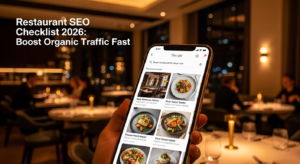
Step 5 – Optimize Your Online Presence (Local SEO)
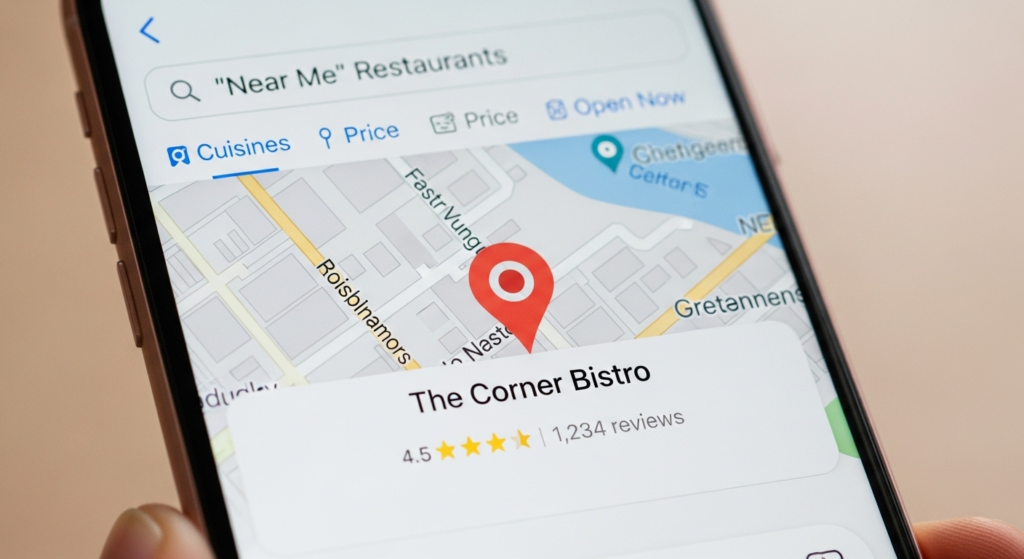
Most customers search for restaurants online before visiting.
Must-Do Strategies:
- Optimize your Google Business Profile
- Use keywords like “best restaurant near me.”
- Encourage customer reviews
Why It Matters:
- Improves local visibility
- Drives walk-in traffic
- Builds trust through ratings
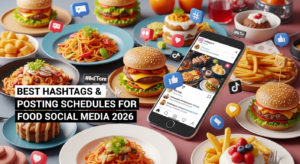
Step 6 – Use Social Media & Content Marketing
Social media is one of the most powerful tools for restaurants.
Best Platforms:
- Instagram (food visuals)
- TikTok (viral videos)
- Facebook (community engagement)
Content Ideas:
- Behind-the-scenes kitchen videos
- Customer testimonials
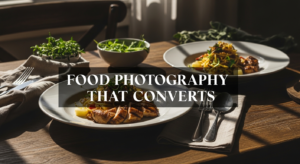
- Food photography
Tip: Authentic content performs better than overly polished ads.
Step 7 – Implement Customer Retention Strategies
Getting new customers is expensive, but keeping them is profitable.
Effective Tactics:
- Loyalty programs
- Email & SMS marketing
- Personalized discounts
Example: Offer a free dessert after 5 visits to encourage repeat business.
Step 8 – Run Promotions & Events
Promotions create urgency and attract attention.
Ideas That Work:
- Seasonal menus
- Happy hour deals
- Live music nights
- Holiday campaigns
Collaborate with local influencers or businesses to expand reach.
Step 9 – Allocate Your Marketing Budget
A well-planned budget ensures maximum ROI.
Suggested Breakdown:
- 40% Digital marketing (ads, social media)
- 30% Promotions & events
- 20% Content creation
- 10% Tools & analytics
Start small and scale what works.
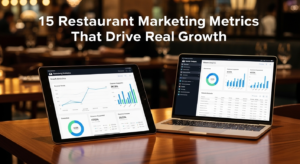
Step 10 – Track, Measure, and Optimize
Marketing is not “set and forget.”
Track:
- Customer acquisition cost
- Conversion rates
- Engagement metrics
Tools to Use:
- Google Analytics
- Social media insights
- POS data
Adjust your strategy based on performance.
Common Mistakes to Avoid
- Ignoring online presence
- Inconsistent branding
- Not responding to reviews
- Lack of clear goals
- Skipping analytics
Pro Tips for 2026 Restaurant Marketing Success

- Focus on customer experience first
- Invest in short-form video content
- Use data-driven decisions
- Prioritize local SEO optimization
- Build a community, not just customers
Conclusion
Creating a restaurant marketing plan that works isn’t complicated it just requires strategy, consistency, and adaptability. By understanding your audience, leveraging digital tools, and continuously optimizing your efforts, you can turn your restaurant into a thriving business.
Start small, stay consistent, and watch your customer base grow.
FAQs
What is the best marketing strategy for restaurants?
A combination of local SEO, social media marketing, and customer retention strategies works best.
How do I attract more customers to my restaurant?
Focus on:
- Online visibility
- Promotions
- Customer experience
- Reviews and ratings
How much should a restaurant spend on marketing?
Typically, 3%–10% of revenue is recommended depending on growth goals.
How can I market a restaurant with a low budget?
- Use social media organically
- Encourage user-generated content
- Optimize Google Business Profile
- Run referral programs