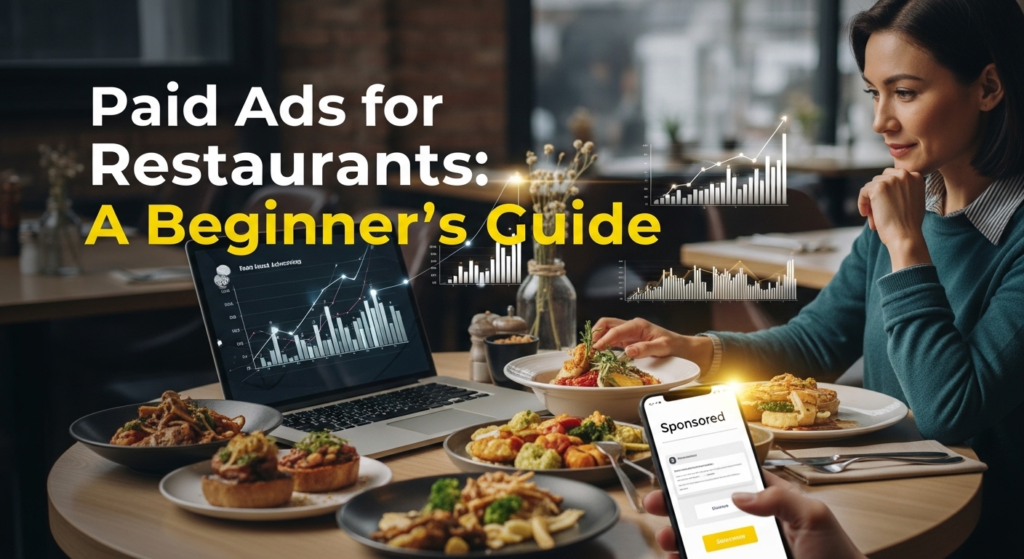
In today’s competitive food industry, simply having great food isn’t enough. If people can’t find you online, they won’t walk through your doors. That’s where Paid Ads for Restaurants: A Beginner’s Guide becomes essential.
Paid advertising helps restaurants appear in front of hungry customers exactly when they’re searching for a place to eat. Whether someone types “best pizza near me” into Google or scrolls through Instagram craving sushi, paid ads ensure your restaurant shows up at the right time.
This guide will walk you through everything you need to knowfrom choosing the right platform to setting a budget and measuring results. Let’s dive in!
Why Restaurants Need Paid Advertising in 2026

The restaurant industry is more competitive than ever. Thousands of dining options compete for attention daily.
Rising Competition in the Food Industry
Every city has new restaurants opening each month. Food trucks, ghost kitchens, and delivery-only brands have increased competition significantly. Without advertising, your restaurant may struggle to stand out.
Decline of Organic Reach on Social Media
Platforms like Facebook and Instagram limit how many followers see your posts. Organic reach has dropped dramatically. Paid ads ensure your content reaches more potential customers.
Simply putif you’re not investing in paid ads, your competitors probably are.
Types of Paid Ads for Restaurants
There are several effective advertising channels available.
Google Search Ads
Google Search Ads display your restaurant when someone searches for relevant keywords like:
- “Italian restaurant near me”
- “Best burgers in town”
- “Family-friendly restaurant”
Using Google, restaurants can bid on high-intent keywords and capture customers ready to dine.
Google Display Ads
These are visual banner ads shown across websites. They are excellent for brand awareness and retargeting customers who previously visited your site.
Social Media Ads (Facebook, Instagram, TikTok)
Platforms like:
- TikTok
allow precise audience targeting. You can target users based on interests like “food lovers” or “fine dining enthusiasts.”
Food Delivery Platform Ads
Delivery apps such as:
- Uber Eats
- DoorDash
offer sponsored placements to boost visibility within their apps.
Local Listing & Map Ads
Map ads help your restaurant appear at the top when users search locally. These are incredibly effective for attracting nearby diners.
Setting Clear Goals Before Running Ads
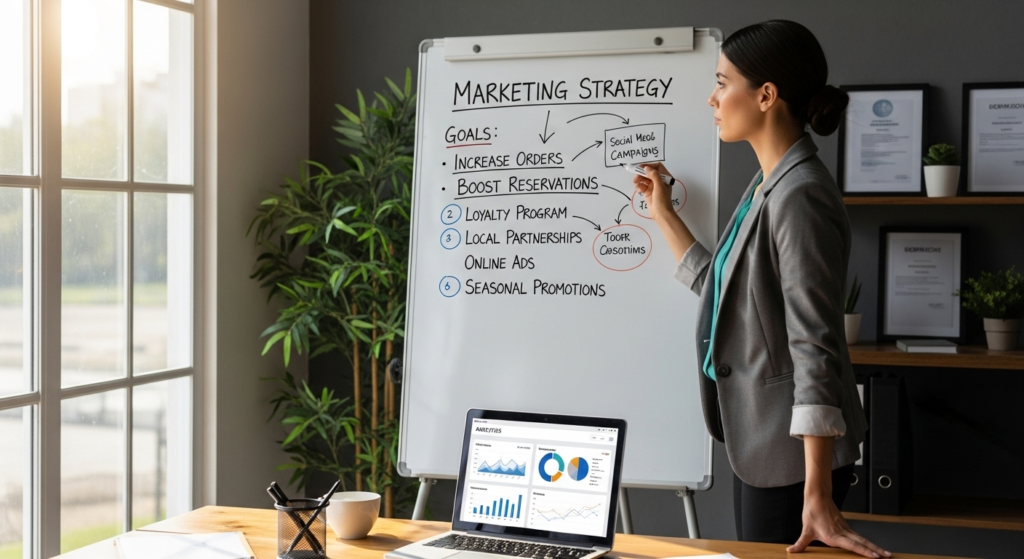
Before spending money, define your objective.
Increase Dine-In Traffic
Want more people in seats? Run geo-targeted ads promoting lunch specials or happy hour deals.
Boost Online Orders
Focus on convenience-driven messaging like “Order in 30 minutes” or “Free delivery tonight.”
Promote Events and Special Offers
Hosting live music? Valentine’s dinner? Ads help fill seats fast.
Clear goals ensure better campaign results and smarter budgeting.
How to Identify Your Target Audience
Understanding your audience is crucial.
Demographic Targeting
Target by:
- Age
- Gender
- Income level
- Family status
A luxury steakhouse will target differently than a student-friendly café.
Behavioral Targeting
Reach users who:
- Frequently order food online
- Search for restaurants
- Follow food influencers
Location-Based Targeting
This is essential. Most restaurant ads should target people within a 3–10 mile radius.
Budgeting for Paid Ads for Restaurants
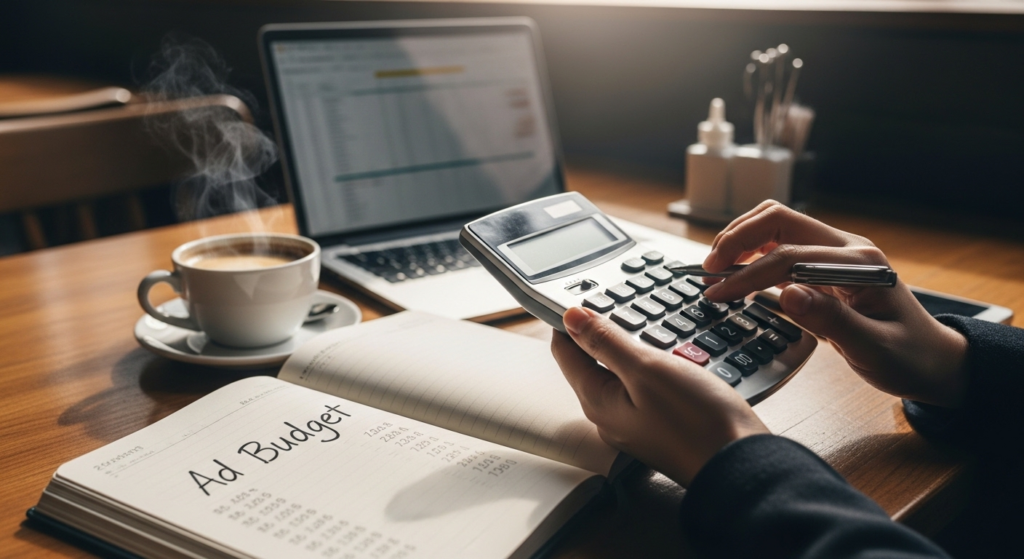
Budget planning doesn’t have to be complicated.
Daily vs Monthly Budget
Start small$10–$20 per dayand scale once you see results.
Cost Per Click (CPC) Explained
CPC means you pay each time someone clicks your ad. Restaurant keywords often range between $0.50–$2.00 depending on competition.
Understanding ROI
If you spend $500 and generate $2,000 in revenue, your return on investment is strong. Always track sales from ads.
Creating High-Converting Restaurant Ads
This is where creativity meets strategy.
Writing Compelling Ad Copy
Use emotional triggers:
- “Freshly baked every morning”
- “Authentic family recipes”
- “Limited-time special”
Keep it short, clear, and mouthwatering.
Using High-Quality Food Images
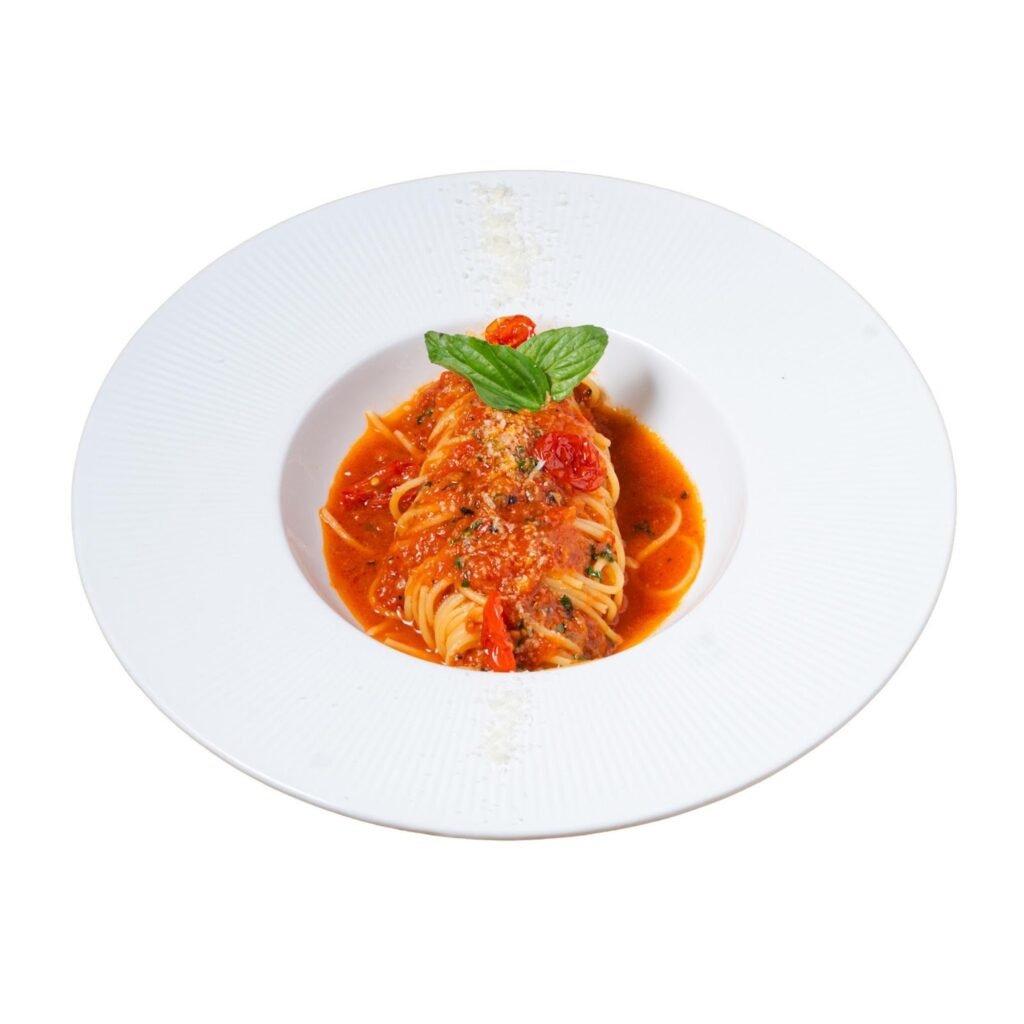
People eat with their eyes first. High-quality, well-lit food photography increases clicks dramatically.
Strong Calls-to-Action
Use clear instructions:
- “Reserve Your Table Now”
- “Order Online Today”
- “Claim 10% Off”
Never leave customers guessing.
Landing Pages That Convert
Sending traffic to your homepage isn’t always ideal. Instead, create dedicated landing pages with:
- Clear offer
- Online ordering button
- Reservation form
- Phone number
- Customer reviews
Make it simple and mobile-friendly.
Tracking & Measuring Performance

Advertising without tracking is like cooking without tasting.
Key Metrics to Monitor
- Click-Through Rate (CTR)
- Conversion Rate
- Cost Per Acquisition
- Return on Ad Spend (ROAS)
Using Google Analytics
Use Google Analytics to monitor website traffic and conversions. It helps identify which ads drive real revenue.
Common Mistakes to Avoid
- Targeting too broad an audience
- Using low-quality images
- Ignoring mobile optimization
- Not tracking conversions
- Stopping ads too early
Consistency matters.
FAQs
1. How much should a restaurant spend on paid ads?
Start with 5–10% of monthly revenue and adjust based on performance.
2. Which platform is best for restaurant ads?
Google works best for high-intent searches, while social media is great for brand awareness.
3. How long before I see results?
Most campaigns show data within 7–14 days.
4. Are paid ads better than organic marketing?
They work best together. Paid ads deliver faster results.
5. Can small restaurants compete with large chains?
Yes. Smart targeting allows small restaurants to reach local customers effectively.
6. What type of ads convert best?
Ads with strong visuals, clear offers, and local targeting convert the highest.
Conclusion
Running paid ads may seem overwhelming at firstbut it doesn’t have to be. With clear goals, smart targeting, and compelling visuals, restaurants can dramatically increase foot traffic and online orders.
Paid Ads for Restaurants: A Beginner’s Guide shows that even small investments can deliver big returns when managed correctly.
Start small. Track results. Optimize continuously.
Your next customer is already online. Make sure they find you first.