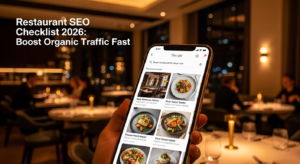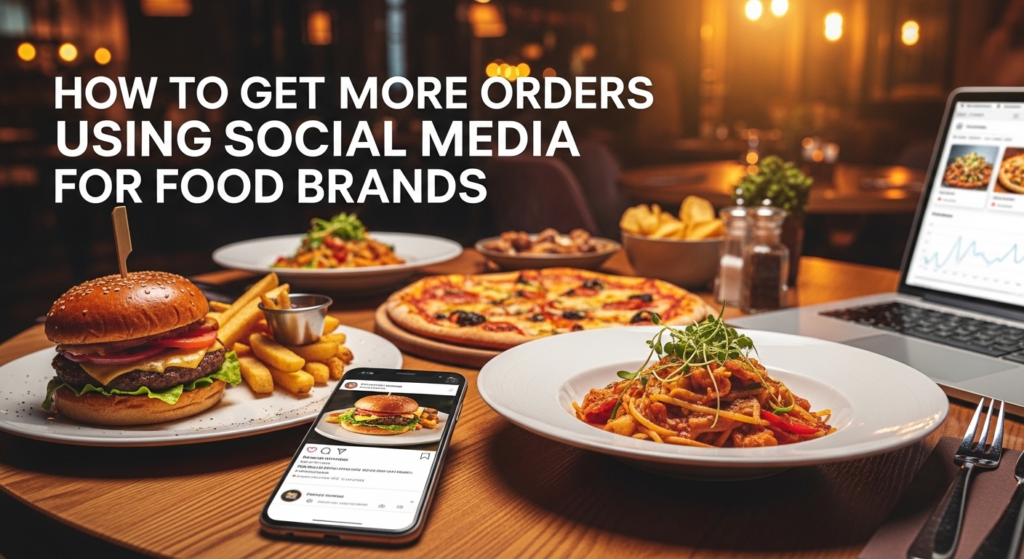
If you own a restaurant, you already know one thing people search online before they eat out. That’s exactly where Local SEO for Restaurants becomes a game-changer.
When someone types “best pizza near me” or “top sushi in downtown,” your restaurant needs to show up. Not on page five. Not below competitors. But right at the top.
Today, local search isn’t just about Google rankings. It’s about combining SEO with social media marketing to attract hungry customers and turn clicks into real orders.
Let’s break it down step by step.
Why Local Search Matters for Food Businesses

Did you know that nearly 80% of local searches lead to a purchase? That means if someone searches for food nearby, they’re likely ready to order.
Local search helps your restaurant:
- Increase online visibility
- Drive foot traffic
- Boost delivery and takeaway orders
- Build trust through reviews
- Stand out from competitors
When your restaurant appears in Google’s Local Pack (the map section), it instantly gains credibility. Customers trust businesses that rank high.
And here’s the kicker, social media signals also influence visibility. Engaging posts, check-ins, and customer interactions send positive signals to search engines.
The Connection Between SEO and Social Media
SEO and social media work like best friends. Alone, they’re good. Together, they’re unstoppable.
For example:
- Instagram posts with location tags increase discoverability.
- Facebook reviews boost trust.
- TikTok videos can make dishes go viral overnight.
Search engines notice consistent brand mentions and engagement. When people search for your restaurant name, your social profiles also appear in results.
That’s free digital real estate!
Understanding Google Business Profile Optimization
One of the biggest pillars of Local SEO for Restaurants is optimizing your Google Business Profile.
This free tool can dramatically increase orders when used correctly.
Setting Up and Verifying Your Listing
First things first:
- Claim your listing
- Verify your business
- Ensure your name, address, and phone number (NAP) are accurate
- Choose the correct business categories
Consistency matters. If your address differs across platforms, Google gets confused and your rankings suffer.
Optimizing Photos, Menus, and Descriptions
People eat with their eyes first.
Upload:
- High-resolution food photos
- Updated menus
- Interior and exterior shots
- Short videos of dishes
Your description should include local keywords naturally, such as:
“Family-owned Italian restaurant in downtown Chicago serving authentic wood-fired pizza.”
Simple. Clear. Keyword-rich.
Social Media Platforms That Drive Restaurant Orders

Not all platforms are equal. Let’s focus on the ones that truly move the needle.
Instagram for Visual Food Marketing
Instagram is perfect for restaurants. Why?
Because food is visual.
Post:
- Close-up shots of dishes
- Behind-the-scenes kitchen videos
- Customer testimonials
- Limited-time offers
Use location tags and local hashtags like:
#ChicagoEats
#NYCFoodies
#DallasBrunch
This improves visibility within your area.
Facebook for Community Engagement
Facebook still drives strong local engagement.
Use it to:
- Share events
- Promote specials
- Run contests
- Collect reviews
Facebook groups in your local community are gold mines for exposure.
TikTok for Viral Food Trends
TikTok can turn a simple pasta dish into a citywide sensation.
Short, engaging videos showing:
- Cheese pulls
- Cooking flames
- Staff personalities
- Food challenges
One viral video can double orders overnight.
Keyword Strategy for Local SEO for Restaurants
Keywords are the backbone of SEO.
Finding Location-Based Keywords
Focus on:
- “Best tacos in Austin”
- “Vegan restaurant near Times Square”
- “Late-night food in Miami”
Use tools like:
- Google Keyword Planner
- Ubersuggest
- AnswerThePublic
Always combine cuisine + city + intent.
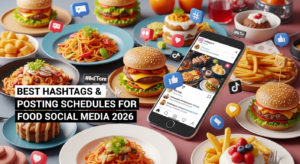
Using Hashtags Strategically
Hashtags work like keywords on social media.
Use:
- Branded hashtags
- Location hashtags
- Trending food hashtags
Don’t overdo it. Quality beats quantity.
Creating Engaging Food Content That Converts
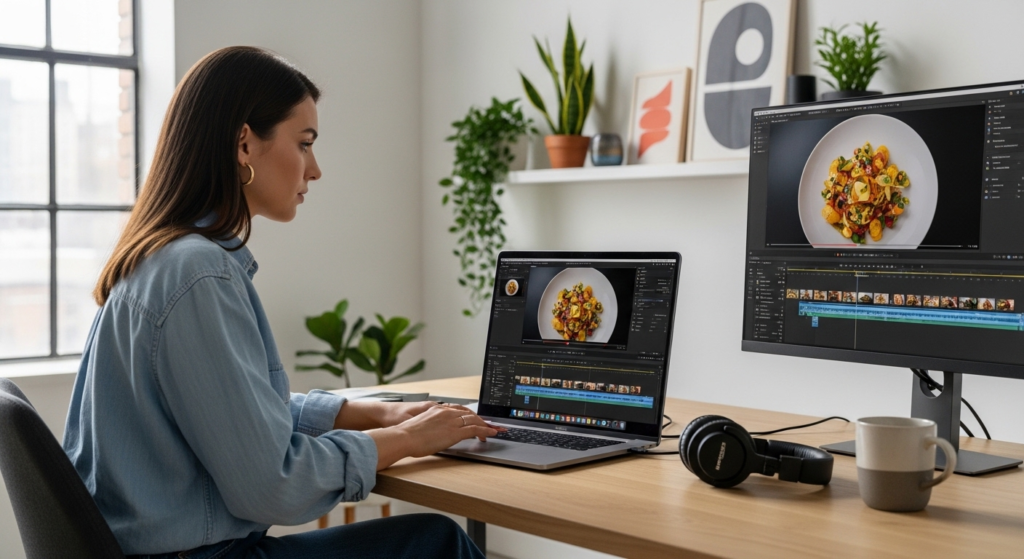
Content isn’t just about pretty pictures. It’s about converting viewers into customers.
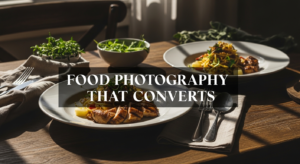
High-Quality Food Photography
Lighting is everything.
- Use natural light
- Avoid cluttered backgrounds
- Focus on textures
Professional photos increase perceived value.
Short-Form Video Marketing
Videos build trust fast.
Show:
- How food is made
- Chef introductions
- Daily specials
- Customer reactions
Keep videos under 30 seconds for best engagement.
Managing Reviews and Online Reputation
Reviews directly affect rankings.
Encouraging Positive Reviews
Ask politely:
“Loved your meal? Leave us a quick review!”
Offer small incentives like discount coupons for feedback.
Responding to Negative Feedback Professionally
Never ignore bad reviews.
Respond calmly:
“Thank you for your feedback. We’re sorry for your experience and would love to make it right.”
Professional responses build trust.
Leveraging Influencer Marketing for Local Reach
Influencers can amplify your reach fast.
Micro-Influencers vs. Macro-Influencers
Micro-influencers (1k–10k followers) often have higher engagement rates.
They’re affordable and highly trusted within local communities.
Hosting Local Food Events
Invite influencers for:
- Soft openings
- Tasting events
- Seasonal launches
Encourage them to tag your location.
Paid Social Media Advertising for Restaurants

Organic reach is powerful, but paid ads speed things up.
Geo-Targeted Ads
Target users within a 5–10 mile radius.
Promote:
- Lunch deals
- Happy hours
- New menu items
Geo-targeting ensures your ads reach hungry people nearby.
Retargeting Campaigns
Ever visited a website and seen ads later? That’s retargeting.
Retarget people who:
- Viewed your menu
- Clicked on an ad
- Engaged with social posts
These users are warm leads and more likely to order.
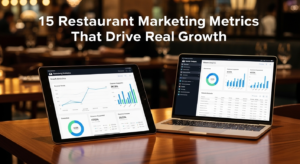
Tracking Results and Analytics
You can’t improve what you don’t measure.
Using Google Analytics
Track:
- Website traffic
- Conversion rates
- Order sources
Identify what’s working.
Social Media Insights Tools
Platforms offer built-in analytics.
Monitor:
- Engagement rate
- Reach
- Follower growth
- Click-through rate
Adjust strategy based on data.
FAQs
1. How long does Local SEO for Restaurants take to show results?
Typically, 3–6 months for significant improvement, but social media engagement can show faster results.
2. Is social media necessary for restaurant SEO?
Yes. Social signals boost brand visibility and drive traffic.
3. Which platform is best for food marketing?
Instagram and TikTok perform best for visual content.
4. Do online reviews affect rankings?
Absolutely. Reviews directly influence local search visibility.
5. How often should restaurants post on social media?
At least 3–5 times per week for consistent engagement.
6. Is paid advertising worth it for local restaurants?
Yes. Geo-targeted ads provide a strong ROI when optimized correctly.
Conclusion
The digital world has changed how people choose where to eat. If your restaurant isn’t optimized for local search and social media, you’re leaving money on the table.
By combining:
- Google Business Optimization
- Smart keyword targeting
- Engaging social media content
- Review management
- Paid advertising
You can dramatically increase orders.
Start small. Stay consistent. Track results.
And remember, success in Local SEO for Restaurants isn’t magic. It’s strategy, effort, and smart execution.