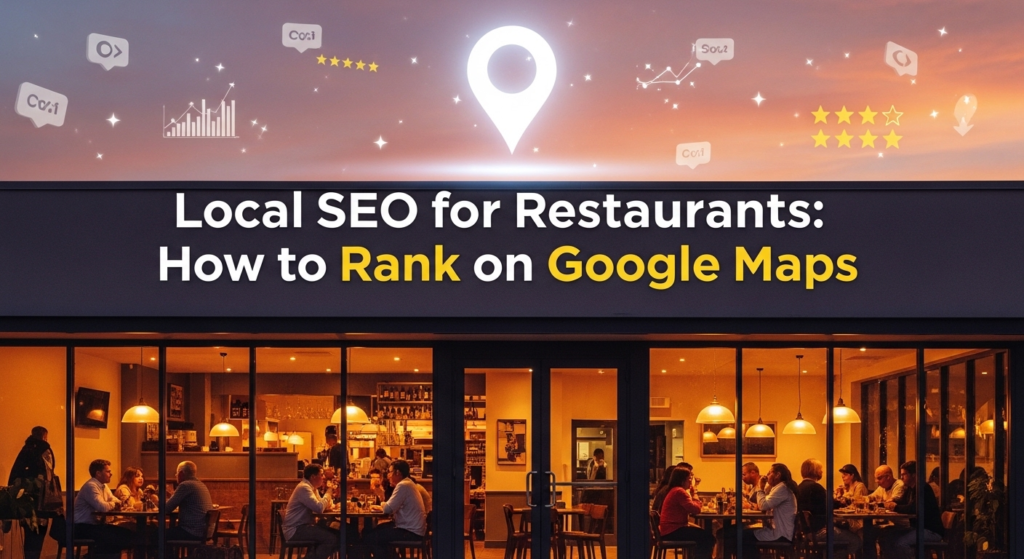
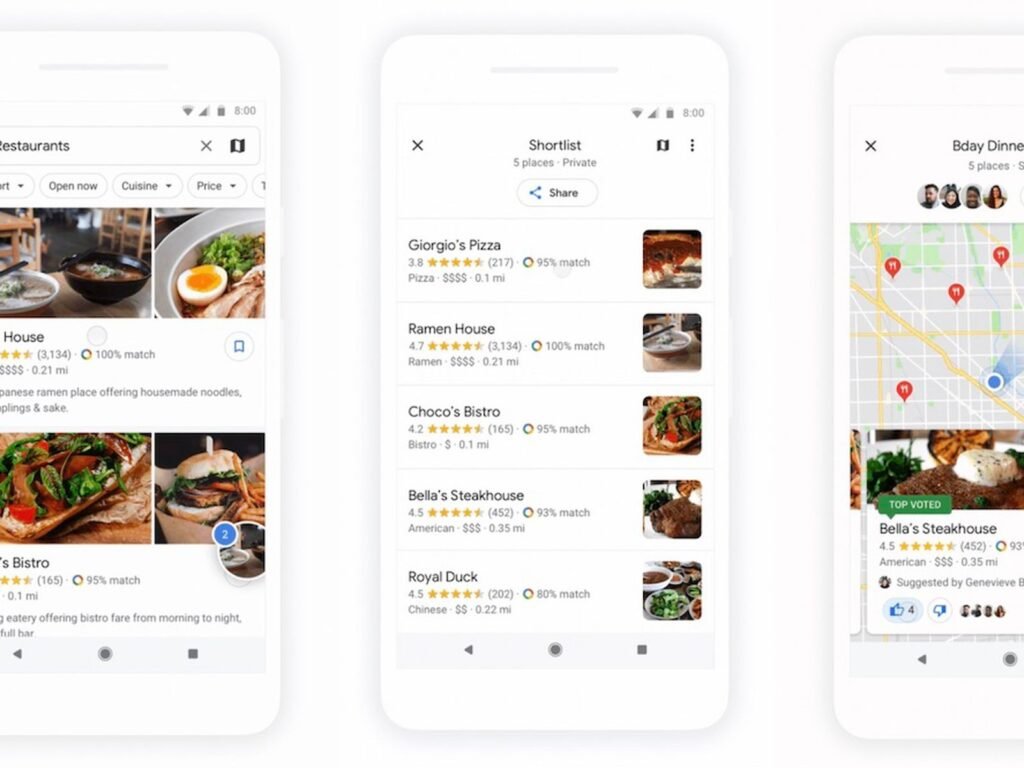
If you own a restaurant, you already know how competitive the food industry can be. But here’s the good news local SEO for Restaurants: How to Rank on Google Maps is one of the most powerful ways to stand out in your area. When someone searches “best pizza near me” or “top sushi restaurant in town,” Google Maps decides who gets seen first.
And guess what? Ranking on Google Maps isn’t about luck. It’s about strategy.
In this complete guide, you’ll learn exactly how to optimize your restaurant for local search, dominate the Google Map Pack, and turn online searches into real diners walking through your door.
What Is Local SEO for Restaurants?

Local SEO (Search Engine Optimization) is the process of optimizing your restaurant’s online presence, so it appears in local search results, especially on Google Maps and the Google “Local 3-Pack.”
When someone nearby searches for:
- “Italian restaurant near me”
- “Best brunch in [city]”
- “Family-friendly restaurant open now.”
Google shows three businesses in a map box at the top of the page. That’s prime digital real estate!
Why Google Maps Rankings Matter
- 76% of local searches lead to a visit within 24 hours
- 28% of local searches result in a purchase
- Customers trust Google reviews almost as much as personal recommendations
If your restaurant isn’t showing up, you’re leaving money on the table.
How Google Ranks Restaurants on Maps
Google uses three main factors:
| Ranking Factor | What It Means | How to Improve |
| Relevance | How well your listing matches the search | Optimize keywords |
| Distance | Proximity to the searcher | Ensure correct address |
| Prominence | Online authority and popularity | Reviews, links, mentions |
Understanding these three pillars is key to mastering Local SEO for Restaurants: How to Rank on Google Maps.
Claim and Optimize Your Google Business Profile
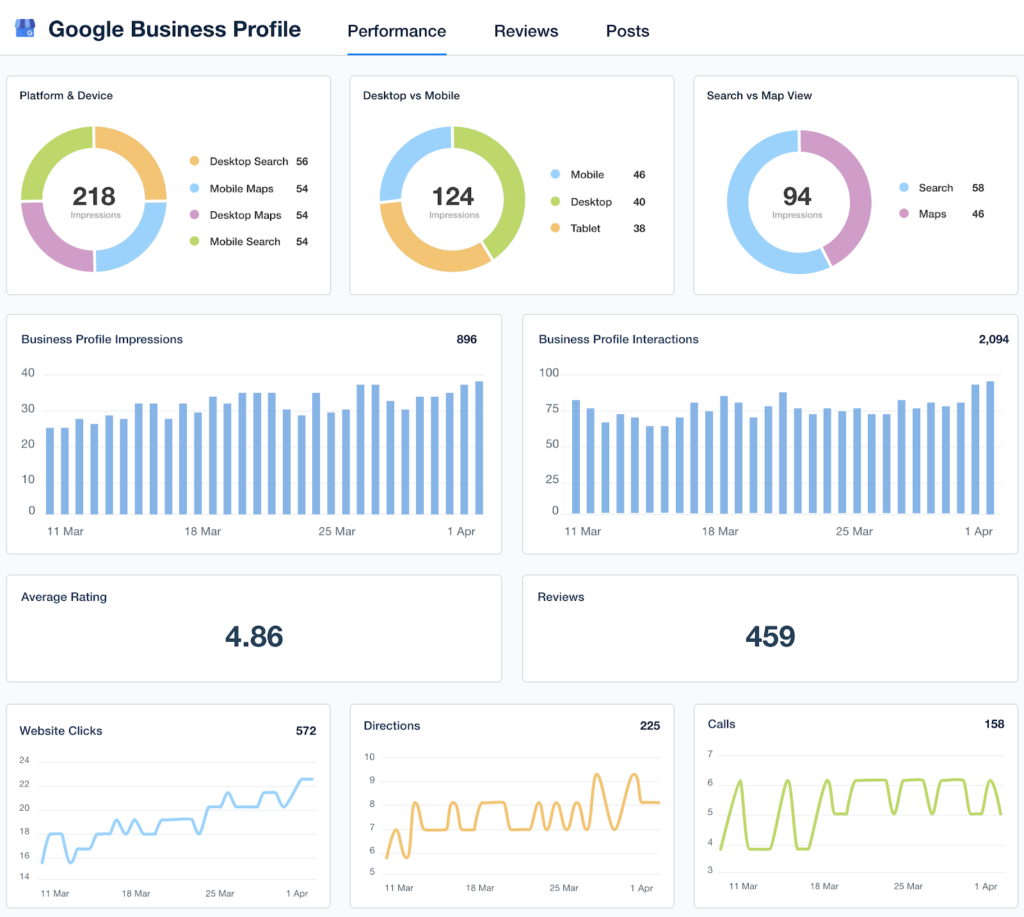
Your Google Business Profile (GBP) is your #1 local SEO asset.
Steps to Optimize Your Profile
- Claim your listing at https://www.google.com/business/
- Use your exact restaurant name (no keyword stuffing)
- Add accurate address and phone number (NAP)
- Select primary and secondary categories
- Upload high-quality food and interior photos
- Add updated business hours
- Include a detailed description with keywords
Pro Tip: Use keywords naturally, like “family-owned Mexican restaurant in downtown Chicago.”
Use the Right Keywords for Local Search
Keyword research is essential. Think like your customer.
Examples of High-Intent Keywords
- “Best Thai restaurant in Brooklyn”
- “Vegan brunch Los Angeles”
- “Seafood restaurant near Times Square”
Use tools like Google Keyword Planner or Ubersuggest to identify search terms.
Place keywords in:
- Google Business Profile description
- Website homepage
- Meta titles
- Blog posts
- Image alt text
Optimize Your Website for Local SEO
Your website must support your Google Maps ranking.
On-Page Optimization Checklist
- Add the city name in the title tags
- Include schema markup for restaurants
- Create location-specific landing pages
- Embed Google Maps on the contact page
- Optimize for mobile users
Google rewards restaurants with fast, mobile-friendly websites.
Get More Positive Reviews (The Right Way)
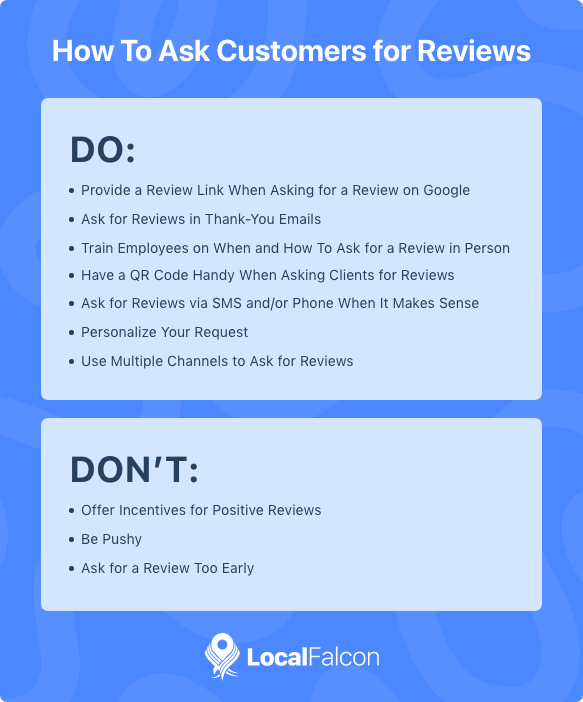
Reviews are HUGE for local rankings.
Why Reviews Matter
- Boost trust
- Increase click-through rate
- Improve prominence signals
How to Get More Reviews
- Ask happy customers politely
- Add QR codes on receipts
- Send follow-up emails
- Train staff to encourage feedback
Always respond to reviews, positive or negative. It shows engagement.
Build Local Citations and Directory Listings
Citations are mentions of your restaurant’s Name, Address, and Phone number across the web.
Top Restaurant Directories
- Yelp
- TripAdvisor
- OpenTable
- Yellow Pages
Ensure consistency in your NAP across all platforms.
Create Local Content That Attracts Diners
Blogging isn’t just for tech companies.
Write about:
- Local food festivals
- Seasonal menu updates
- Chef interviews
- Community events
This increases relevance and builds local authority.
Use Social Media to Boost Visibility
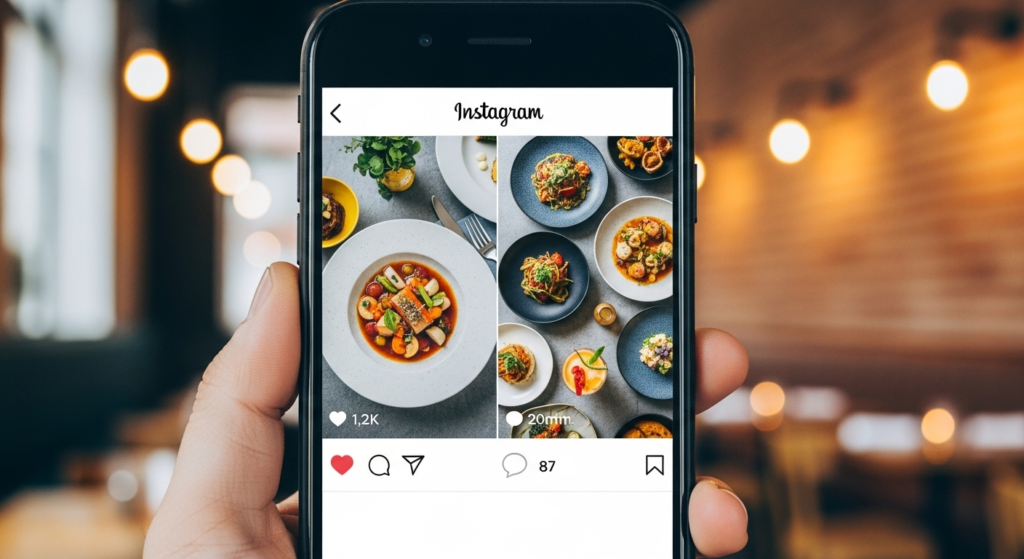
While social media doesn’t directly impact rankings, it drives traffic and engagement.
Post:
- Daily specials
- Behind-the-scenes kitchen shots
- Customer testimonials
- Promotions
Tag your location and encourage check-ins.
Earn Local Backlinks
Backlinks from local websites signal trust.
How to Get Local Links
- Partner with local bloggers
- Sponsor community events
- Collaborate with nearby businesses
- Submit press releases
Quality matters more than quantity.
Optimize for “Near Me” Searches
“Near me” searches are exploding.
To optimize:
- Include city and neighborhood names
- Add driving directions on the website
- Use conversational keywords
- Enable location-based schema markup
Improve Engagement Signals
Google tracks user behavior.
Improve:
- Click-through rates
- Time on website
- Calls from Google listing
- Direction requests
Add clear calls-to-action like:
- “Reserve a Table”
- “Order Online”
- “Call Now”
Track Your Local SEO Performance

Use tools like:
- Google Business Insights
- Google Analytics
- Google Search Console
Monitor:
- Map impressions
- Website clicks
- Calls
- Direction requests
Data helps refine your strategy.
Common Mistakes to Avoid
- Keyword stuffing business name
- Fake reviews
- Inconsistent NAP
- Ignoring negative reviews
- Outdated business hours
Avoid shortcuts. Google penalizes spammy tactics.
Advanced Strategies for Competitive Markets
If you’re in a big city, competition is fierce.
Try:
- Hyper-local landing pages
- Geo-targeted ads
- Professional photography
- Video tours
- Structured data markup
Dominate your neighborhood before expanding reach.
Case Study Example
A family-owned Italian restaurant improved its ranking from #9 to #2 within 4 months by:
- Optimizing Google Business Profile
- Adding 45 new reviews
- Publishing weekly blog posts
- Building 12 local backlinks
Result: 37% increase in reservations.
FAQs
1. How long does it take to rank on Google Maps?
Typically 1–6 months, depending on competition and optimization level.
2. Do paid ads help local rankings?
Google Ads increase visibility but do not directly impact organic rankings.
3. How many reviews do I need?
More than competitors in your area, with consistent growth.
4. Can I rank without a website?
Yes, but having a website significantly improves authority.
5. Should I hire an SEO agency?
If the budget allows, agencies accelerate results, but DIY is possible.
6. Is Local SEO expensive?
It’s more cost-effective than traditional advertising and provides long-term ROI.
Conclusion
Mastering Local SEO for Restaurants: How to Rank on Google Maps isn’t complicated, but it requires consistency, strategy, and patience.
Focus on:
- Optimizing your Google Business Profile
- Generating authentic reviews
- Building a local authority
- Creating relevant content
Do these well, and your restaurant won’t just appear on Google Maps; it will dominate it.